
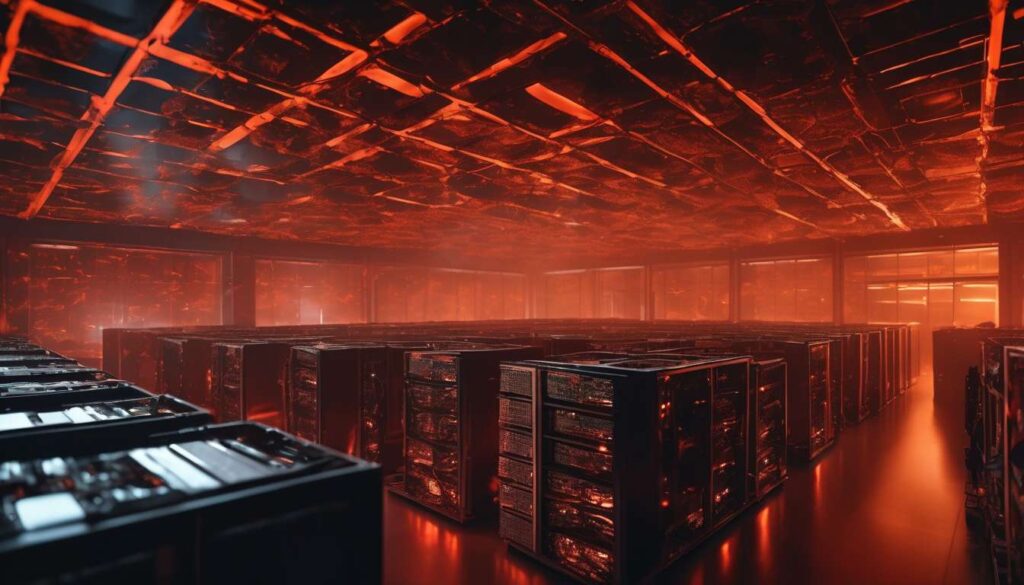
Ever considered how a single hour of streaming can emit as much CO2 as driving ten miles?
We ask this because the adult video industry — vast, always-on, and soaring in demand — carries an environmental footprint that rarely enters our conversations. How should we reconcile individual pleasure, platform profit, and planetary limits when every click triggers data transfers, server loads, and energy consumption?
As stakeholders — viewers, creators, engineers, and policymakers — we face ethical and practical choices.
These choices concern content production, distribution efficiency, and infrastructure design. What trade-offs are acceptable when reducing carbon and electronic waste might affect accessibility, privacy, or creators’ incomes?
In this article we map the unseen lifecycle of adult video services online.
From recording and editing through global content delivery networks to long-term storage on data centers, our goal is to illuminate where emissions concentrate, which interventions are feasible, and how collective action can reshape a hidden but consequential slice of the digital economy.
Industry scale and emissions
The adult video industry streams and stores petabytes of content worldwide, and we need to quantify how much energy and carbon those operations actually consume.
Assessing streaming emissions requires tracing every gigabyte delivered.
- This includes the path from origin servers, through content delivery networks (CDNs), to end-user devices.
- Measuring this flow lets us allocate emissions per gigabyte and per viewing session.
Tally data center energy use comprehensively.
- Include cooling systems, storage redundancy, and peak-load inefficiencies.
- These components are substantial and measurable and should be part of any footprint estimate.
Factor in the device lifecycle.
- Consider manufacturing impacts, electricity for charging, and eventual disposal/recycling.
- Device-level emissions add to the footprint of content consumption and can be quantified per hour of use.
Compare technical and operational variables to estimate emissions per hour of viewing.
- Analyze site-level traffic profiles (concurrent viewers, bitrate distributions).
- Evaluate codec efficiency and adaptive streaming behaviors.
- Assess caching strategies (edge vs. origin) and CDN provider energy intensity.
Use transparent metrics and communal intent to prioritize interventions.
- Publish per-GB and per-hour emission estimates to create accountability.
- Share benchmarking data across platforms so operators can learn from best practices.
Focus on collaborative solutions rather than blame.
- Collective responsibility enables coordinated fixes across infrastructure and user endpoints.
- Sustainable service models can be developed that meet community needs while reducing waste.
Outcome: measurable reductions and accountable platforms.
- With clear measurements and shared strategies, the industry can identify highest-impact changes (e.g., more efficient codecs, better caching, greener data centers) and track progress over time.
Production energy demands
Production energy matters beyond distribution.
Beyond distribution, producing adult video content consumes substantial energy: on-set lighting, camera equipment, location power, post-production workstations, and travel all contribute measurable emissions.
Common energy drivers on shoots
- Lighting rigs and cameras: shoots often use energy‑intensive lighting and multiple cameras running for hours.
- Generators and venue power: on-location power sources can increase the onsite carbon footprint.
- Crew size and shoot duration: larger crews and longer shoots raise immediate fuel and electricity use, plus associated indirect impacts.
- Multiple locations and travel: moving cast, crew, and equipment between sites adds fuel consumption and related emissions.
Digital and device impacts during production
- High‑resolution masters and storage: storing and transferring large masters implicates data center cooling and compute energy.
- Post‑production compute: editing suites, rendering, and color grading demand significant workstation power.
- Device lifecycle (embodied emissions): frequent replacement of cameras, monitors, and phones amplifies upstream manufacturing emissions.
Why collaborative, efficiency‑minded practices matter
- Adopting efficient production choices—smaller crews where feasible, consolidated shooting schedules, LED lighting, local sourcing, and careful data management—reduces both direct energy use and downstream impacts tied to streaming and storage.
Bottom line: to seriously cut the sector’s environmental costs, production decisions must be part of the solution, not just distribution and delivery.
Editing and post-production impacts
In post-production, we burn substantial energy on high-performance workstations, rendering farms, and prolonged editing sessions that together drive significant electricity use and cooling demands.
We recognize shared responsibility across our community to reduce digital streaming emissions at the source by optimizing workflows and minimizing redundant transcodes.
We can choose efficient codecs and smarter workflows to cut compute time and lower data center energy drawn for storage and processing:
- Use efficient codecs (HEVC, AV1 where appropriate) and bitrate ladders matched to distribution needs.
- Batch renders to reduce repeated spin‑up and avoid small, frequent jobs.
- Use proxy editing and lower-resolution previews during creative passes to reduce workstation load.
We look after hardware to reduce embodied emissions by extending device lifecycle through repairs, component upgrades, and responsible disposal.
We adopt collaboration practices that prevent wasted work so teams don’t recreate work or hoard versions:
- Keep clear edit notes and versioning conventions.
- Consolidate review passes and timebox feedback sessions.
- Limit file duplication and use shared, deduplicated storage where possible.
We measure and set policies to make progress visible and sustainable by tracking render hours, monitoring storage bloat, and setting energy‑aware policies and quotas.
Small, collective changes add up — by creating inclusive norms that make environmental care part of our craft, we achieve meaningful reductions in the sector’s environmental footprint.
Streaming and bandwidth footprint
When millions of viewers stream our content, we directly drive significant network traffic and energy use across CDN servers, transit networks, and end‑user devices.
We know our community cares about impacts, so we look honestly at how digital streaming emissions add up:
- Each resolution choice increases cumulative energy use.
- Rebuffer events raise consumption by triggering retries and extra data transfers.
- Repeated playback multiplies the footprint of the same content.
We measure energy across the delivery chain, not just at a single node, because data center energy is only one piece—transit and last‑mile delivery matter too.
We also consider the device lifecycle:
- Older or inefficient phones and set‑top boxes consume more power during playback.
- Faster replacement of devices increases embodied emissions from manufacturing and disposal.
Together we can lower demand by applying practical measures:
- Optimize bitrates and adaptive streaming logic to deliver the right quality for the network and device.
- Enable and deploy more efficient codecs to reduce bits per pixel.
- Offer clear, user-facing quality choices so viewers can select appropriate resolutions.
- Encourage playback settings (e.g., “data saver” modes, autoplay controls) that respect bandwidth and energy.
By sharing metrics and adopting best practices, we include creators, platforms, and viewers in solutions that shrink our footprint while keeping our community connected and respected.
Data center storage costs
Storing billions of hours of content carries significant costs — not only rack space and power but also substantial capital for drives, replication, and long‑term archival management.
We share this burden across creators, platforms, and viewers, so we plan storage tiers to balance access and environmental impact.
Efficient compression and deduplication reduce required capacity and thereby lower digital streaming emissions tied to persistent copies.
We optimize replication strategies to align data center energy with actual demand:
-
- More replicas for hot catalogs to ensure availability and low-latency access.
-
- Fewer full replicas for cold archives to reduce storage footprint and power use.
Lifecycle policies move content to denser, lower‑power media as it ages, reducing environmental footprint while maintaining community trust.
We audit storage utilization and select hardware with transparent manufacturing and recycling practices to address device lifecycle concerns.
By treating storage as an operational and social responsibility, we keep services reliable while shrinking emissions, share best practices across peers, and make sustainable choices that let everyone feel included in the solution.
Device energy and lifespan
Many devices in the hands of creators and viewers consume power continuously and wear out over time.
We prioritize energy-efficient designs, firmware updates that extend usable life, and repairable hardware to cut both carbon and e‑waste.
We know that device choices and habits shape digital streaming emissions.
Higher-resolution uploads and constant background apps raise power draw on phones, cameras, and home routers. By choosing low‑power codecs, optimizing upload schedules, and encouraging settings that limit unnecessary syncing, we reduce downstream demand on data center energy and network transmission.
We consider the full device lifecycle: manufacture, daily use, and disposal.
When we promote durable gear, clear repair guides, and trade‑in or refurb programs, we lower the need for frequent replacements and curb embedded emissions.
Together, we can foster a community that shares best practices, values longevity over novelty, and measures our impact honestly.
This approach helps ensure hosting and viewing remain sustainable without sacrificing connection or creativity.
Regulatory and policy levers
We’ll explore how targeted regulations, industry standards, and incentives can push platforms, ISPs, and device makers to reduce the environmental footprint of hosting and consuming adult video online.
Require transparent reporting.
- Policies should mandate transparent reporting of streaming emissions and data center energy use so communities and regulators can compare providers and reward improvements.
- Public disclosure enables benchmarking, accountability, and targeted intervention.
Set minimum efficiency standards.
- Adopt minimum efficiency standards for servers and networking gear.
- Require ISPs to optimize routing to reduce redundant transfers and unnecessary bandwidth use.
Create financial and reputational incentives.
- Offer tax credits for investments in low‑carbon infrastructure.
- Provide public recognition and procurement preferences for compliant providers.
- Ensure incentives are accessible to both large and small companies so improvements scale widely.
Extend device lifecycles and reduce embedded emissions.
- Implement product regulations that encourage repairability and longer device lifespans, reducing premature replacement and embedded emissions.
- Support right‑to‑repair, standardized spare parts, and software update commitments.
Foster multi‑stakeholder collaboration.
- Convene stakeholder forums where platforms, civil society, and users set measurable targets and share best practices.
- Use those forums to develop accessible, enforceable rules that align industry behavior with community values.
Protect privacy and access while reducing emissions.
- Design rules to reduce the sector’s environmental burden without sidelining user privacy or access, balancing transparency and data minimization.
- Prioritize solutions that do not depend on invasive data collection.
Together, these measures can create clear, enforceable pathways for the industry to lower its carbon footprint while maintaining privacy, access, and economic viability.
Sustainable business practices
Sustainable content production, hosting, and delivery
We will adopt sustainable business practices that cut carbon intensity across content production, hosting, and delivery while preserving user privacy and profitability.
-
Optimize streaming emissions
- Reduce emissions by improving codecs and encouraging lower-bitrate options without sacrificing consent-driven quality.
- Limit redundant uploads and duplicate storage of media assets.
-
Data center procurement and operations
- Audit data center energy use and prioritize providers with renewable energy procurement.
- Prefer providers with efficient cooling and transparent PUE (power usage effectiveness) metrics.
-
Transparency and accountability
- Share aggregated impact reports with our community so members feel included in progress and accountable for choices.
- Set measurable targets and publish progress against them.
Device lifecycle responsibility
We will extend responsibility through the device lifecycle by promoting longer-lasting playback devices, repair-friendly hardware, and incentives for recycling.
-
Device longevity
- Encourage manufacturers and partners to produce repair-friendly, modular devices.
- Promote software support that extends device lifespan.
-
End-of-life and recycling
- Provide incentives for device trade-in and responsible recycling.
- Partner with certified e-waste recyclers and publicize outcomes.
Product features to reduce unnecessary streaming
We will design features that reduce unnecessary streaming—so users can enjoy content while lowering collective footprints.
-
User-facing features
- Batch downloads for offline consumption.
- Smart caching to avoid repeated downloads of the same assets.
- Adaptive resolution defaults that favor lower-bitrate options unless users opt for higher quality.
-
Behavioral nudges
- Offer clear choices and explanations about energy and data impacts.
- Provide opt-in defaults that balance quality with environmental impact.
Privacy-preserving measurement and business model alignment
We will balance privacy and analytics by using privacy-preserving telemetry and build a business model that keeps creators paid, users respected, and our platform aligned with planetary limits.
-
Privacy-first analytics
- Use aggregated, differential privacy, or other privacy-preserving telemetry methods to measure improvements without exposing individuals.
- Minimize collection of personally identifiable information and limit retention.
-
Economic sustainability
- Ensure creators are fairly compensated under efficiency measures.
- Design incentives and pricing that support both profitability and reduced environmental impact.
How do the environmental impacts of amateur or user-generated adult content compare to professionally produced adult video services?
Summary of the difference in environmental impact
Amateur (user-generated) content tends to generate larger numbers of uploads and greater redundancy, which increases total storage and delivery needs. Professional content is typically more efficient per minute because it is produced, encoded, and hosted with planning and centralized workflows that reduce waste.
Why amateur content often has higher total impact
-
Quantity and redundancy
- Many near-duplicate uploads, short clips, and marginally different versions increase storage needs.
- Frequent re-uploads and multiple platforms multiply delivery bandwidth.
-
Variable production and encoding quality
- Wide range of formats, resolutions, and codecs; often not optimized for streaming.
- Lack of consistent pre-upload compression increases storage and delivery costs.
-
Decentralized hosting and distribution
- Content spread across many servers and platforms reduces the potential for centralized optimization.
- Less coordinated caching and CDN use can cause repeated long-distance transfers.
Why professional content can be more efficient per minute
-
Planned production and post-processing
- Filming, editing, and encoding are done with consistent technical standards that minimize unnecessary data overhead.
-
Optimized encoding and formats
- Use of modern codecs, bitrate ladders, and adaptive streaming profiles reduces bandwidth for the same perceptual quality.
-
Centralized hosting and distribution
- Consolidated storage, deduplication, and efficient CDN usage reduce repeated transfers and lower energy per delivered minute.
Platform actions to reduce environmental impact
-
Optimize encoding pipelines
- Adopt modern codecs (e.g., AV1, HEVC where supported) and automated bitrate ladders.
- Transcode uploads into a small set of quality tiers for adaptive streaming to avoid storing many redundant formats.
-
Implement storage deduplication
- Use content hashing and chunk-level deduplication to avoid storing multiple copies of the same or near-identical content.
- Deduplicate transcoded variants where possible (e.g., store a high-quality master and generate lower tiers on demand).
-
Use efficient delivery networks
- Leverage CDNs with edge caching to reduce long-haul transfers.
- Favor CDNs and cloud providers with transparent renewable energy commitments.
-
Encourage uploader-side optimization
- Provide tools or guidelines that automatically compress or transcode files client-side before upload.
- Offer default upload settings that favor efficient formats and reasonable resolutions (e.g., mobile-friendly presets).
-
Implement retention and pruning policies
- Remove or archive stale, low-traffic, or redundant content after reasonable retention periods.
- Offer users incentives or simplified flows to re-encode or remove duplicates.
-
Measure and report environmental metrics
- Track energy use, egress bandwidth, and storage per delivered minute and publish progress.
- Use metrics to prioritize further optimizations (e.g., identify high-cost content types or workflows).
-
Share responsibility and incentives
- Align platform, creators, and CDNs through incentives: lower fees for efficient uploads, rewards for using optimized formats, or carbon-offset credits tied to reductions.
- Partner with hosting/CDN providers committed to renewable energy or carbon reporting.
Trade-offs and considerations
-
Quality vs. efficiency
- Aggressive compression or on-demand transcoding can raise CPU use or add latency; balance is needed.
-
Privacy and moderation
- Deduplication via hashing must be designed to respect privacy and moderation processes, especially for sensitive content.
-
User experience
- Restricting resolutions or automatic modifications may upset creators; clear communication and opt-in/opt-out is important.
Practical first steps for platforms
- Run an audit to identify the biggest contributors to storage and egress (e.g., lots of short, duplicated uploads).
- Pilot client-side upload compression and a smaller set of streaming tiers on a segment of traffic.
- Deploy deduplication for exact matches and evaluate chunk-level approaches for near-duplicates.
- Choose CDN partners with strong efficiency and sustainability practices and shift hot content to them.
Conclusion
Amateur content typically increases total environmental impact because of volume and redundancy, while professional content can be significantly more efficient per minute. Platforms can meaningfully reduce energy use and bandwidth by optimizing encoding, implementing deduplication, improving delivery, and aligning incentives across creators and providers. These steps help share responsibility for greener practices without substantially harming user experience.
What specific greenhouse gas emissions are associated with the supply chains (e.g., equipment manufacturing, shipping) for adult video production and distribution?
Which greenhouse gases arise from adult video production and distribution
Carbon dioxide (CO2). CO2 is generated by fossil-fuel energy used across the supply chain, including manufacturing cameras, lighting and other equipment, data centers and servers, and transport and logistics for moving people and goods.
Methane (CH4) and nitrous oxide (N2O). These gases arise from energy production (e.g., leakage from natural gas systems, combustion processes) and some manufacturing processes that use high‑temperature combustion or nitrogen‑containing feedstocks.
Fluorinated gases (F-gases). F-gases appear in refrigeration and air‑conditioning systems used in studios and server cooling, and in certain electronics manufacturing processes that use fluorinated compounds.
Embodied emissions. Emissions are also locked into the supply chain through raw material extraction, component fabrication, shipping, and end‑of‑life handling of devices (manufacture-to-disposal lifecycle).
Prioritization for reductions.
- Shift to cleaner energy for manufacturing, data centers, and transport to cut CO2, CH4 and N2O.
- Extend equipment lifetimes and improve reuse/repair to reduce embodied emissions.
- Improve refrigeration and manufacturing practices to limit F-gas use and leaks.
- Optimize logistics and digital delivery to reduce transport and server energy demand.
Are there documented cases where efforts to reduce environmental impacts (e.g., switching to renewable energy, optimizing codecs) led to cost savings or revenue changes for adult content platforms?
We’ve seen cases where platform operators switched to renewables or optimized codecs and reported lower energy bills and hosting costs, sometimes passing savings to creators or reinvesting in growth.
We’re aware of sites that cut bandwidth expenses with better compression and noted modest revenue uplifts from greener branding.
We’re careful to say results vary by scale and region, but we’re encouraged that sustainability and cost benefits can align.
Conclusion
You’ve seen how adult video services add up — from production and editing to streaming, storage, and device use — and how each stage raises emissions and resource strain.
You can push for change by backing transparency, efficiency standards, greener data centers, and producer practices that cut waste.
Whether you’re a creator, platform operator, or viewer, your choices and advocacy can reduce the industry’s footprint and help turn an energy-intensive model into a more sustainable one.